Finding a trustworthy shop to repair or replace your windshield isn’t just a matter of price. A sloppy install turns into leaks, wind noise, advanced safety system errors, and in the worst cases, a windshield that won’t stay bonded during a crash. The phrase auto glass near me will return a long list of options, but the real work starts after the search results. You need to vet certifications, read reviews with a discerning eye, and understand what separates a competent, safety-focused installer from a hurried glass swap.
I’ve managed fleets and sat in on enough repairs to see the difference. Two SUVs, same damage, similar insurance coverage. One shop primed the pinch weld properly, used OEM-equivalent glass, and calibrated the forward camera per the manufacturer’s specs. The owner drove away, quiet cabin, lane-keeping steady, no fuss. The second shop rushed the prep, reused brittle molding, skipped calibration, and handed back a vehicle that chirped ADAS warnings and whistled at highway speed. The final costs weren’t even close. The “cheap” job ended up more expensive after a second replacement and a dealer calibration.
What follows is a practical guide to verify credentials and evaluate reviews before you book an appointment, along with the small details that indicate a shop operates by the book, not by the clock. If you need a quick windshield quote or an auto glass quote, you’ll also learn how to compare apples to apples so you aren’t lured by a low number that hides missing steps.
Why the right install matters more than the glass itself
Modern windshields do more than keep bugs out. They contribute to the vehicle’s structural integrity, support airbags, and serve as the mounting platform for cameras and sensors that run lane departure warning, automatic emergency braking, and adaptive cruise control. The glass, urethane, primers, and calibration all work as a system.
When an install goes wrong, the symptoms show up in different ways. Wind noise around 50 to 65 mph usually points to a misaligned reveal molding or insufficient urethane squeeze-out in a corner. A water leak after a car wash suggests poor prep, especially if the tech didn’t remove rust or apply primer to exposed metal. ADAS faults can be immediate, but sometimes they’re subtle, like a lane-keeping assist that nudges too late or a camera that misreads an off-ramp as a lane. These are not small nuisances. They affect how you drive and how the vehicle protects you during a crash.
That’s the backdrop for why certifications and credible reviews matter. You’re not only buying glass. You’re buying technique.
What the most meaningful certifications actually mean
Certification names get tossed around in ads and on websites. Some carry real weight. Others are vague or outdated. Here’s how to decode them and verify they’re legitimate, not just logos on a homepage.
- AGRSS/AGSC: The Auto Glass Replacement Safety Standard is maintained by the Auto Glass Safety Council. Shops can be registered and audited against AGRSS, which covers procedures like adhesive handling, safe drive-away times, proper primers, and technician training. To verify, go to the AGSC website and search for the company. If a shop claims AGRSS compliance but isn’t listed, ask why. NGA/AGSC Technician Certification: Beyond shop credentials, individual technicians can hold certifications. It tells you at least one person on site has passed standardized exams covering vehicle construction, adhesives, and safety. Ask for the name of the tech assigned to your car and whether that person is certified or will be supervised by someone who is. I-CAR training: Common in collision repair, I-CAR coursework includes ADAS awareness, glass handling, and OEM procedures. It’s not glass-specific like AGSC, but it signals a shop’s culture of training. OEM Procedure Familiarity: Some automakers publish explicit windshield replacement procedures and calibration requirements. There isn’t a universal “OEM certification” for every glass shop, but you want to hear the service writer mention OEM service information or subscriptions like ALLDATA or OE portals. If they shrug and say they’ve “been doing it the same way for years,” that’s a red flag for vehicles with cameras or HUDs.
When you call a shop, ask targeted questions. Who is your adhesive supplier and what is the safe drive-away time for my vehicle today with the current temperature and humidity? Will my forward camera be calibrated static, dynamic, or both, and where will that be performed? Do you follow AGRSS, and are you listed with AGSC? These aren’t trick questions. Competent shops answer them smoothly and specifically.
The ADAS calibration piece many people overlook
If your windshield has a camera bracket, rain sensor, infrared band for HUD, or even a heated wiper park area, replacement is not just unbolt and glue. Most late-model vehicles require a calibration after the glass goes in, either a static procedure with targets in a level bay, a dynamic procedure performed on the road under certain speed and line conditions, or a combination. The vehicle may not throw an obvious fault code if the camera alignment is slightly off, yet your safety systems can underperform.
Some glass shops own calibration equipment and have a dedicated bay with controlled lighting and floor levelness documented to manufacturer specs. Others partner with a mobile calibration service or send the car to a dealer. All three approaches can work if the chain of custody is clear and the final report is provided. Insist on paperwork that shows pre-scan, post-scan, calibration method, targets used, and any alignment data. Expect the total visit to take longer than a simple glass swap. If someone promises a 45-minute in-and-out on a camera-equipped vehicle, ask how they handle calibration and documentation.
I’ve seen small gaps turn into costly repeats. A shop installed quality glass on a Subaru with EyeSight but delayed calibration due to rain, then delivered the car anyway. The owner drove for a week without calibration and came back upset after the system braked late on the highway. The glass was fine. The process wasn’t.
Reading reviews like a pro, not a star-chaser
Good shops deserve good reviews, but stars alone won’t tell you how they handle technical parts of the job. You’re looking for specific patterns, not just “Great service!” or “Fast and cheap.”
Search for mentions of:
- ADAS or calibration done on-site, with customers referencing printouts or a secondary appointment to complete the process. Fit and finish details, like moldings seated correctly, no wind noise at speed, and no water leaks after heavy rain. Adhesive cure times communicated clearly. Phrases like “They explained I shouldn’t drive for X hours” or “They placed a sticker on the window with the safe drive-away time” show process. Cleanup and interior protection. A quality shop tapes plastic over the dash, captures glass shards, vacuums carefully, and checks for lingering particles in vents. Warranty responsiveness. Problems can happen. What matters is how the shop handles a comeback. Look for replies where the company invites the customer back, fixes a leak, or re-calibrates at no charge.
Skeptical reading helps. A flood of recent five-star ratings with generic language can mean a review push. One scathing one-star rant requires context. Read the business’s reply. The best operators respond with specifics, not canned lines. They reference the VIN, the date, or the exact molding that was replaced, which shows record-keeping and accountability.
If you’re comparing two shops with similar ratings, drill into the photos customers post. Crisp images of target boards for calibration, clean adhesive lines, and documented glass numbers tell a better story than marketing gloss.
What to ask before you request a windshield quote
A low quote might exclude items that you’ll end up paying for later, especially calibration, moldings, and adhesives that meet OEM specs. When you call for a windshield quote or enter details into an online form for an auto glass quote, be ready with the VIN, trim level, and a quick rundown of the tech on your windshield, like a camera behind the mirror, a heated area by the wipers, or acoustic glass. If you’re not sure, read the DOT number on the lower corner of your glass and take a quick photo of the rearview mirror area.
Then ask:
- Does your price include any required ADAS calibration and the documentation? Will you use OEM, OE-equivalent, or aftermarket glass? If aftermarket, what brand? (Pilkington, Saint-Gobain Sekurit, Guardian, XYG, FYG, etc. all exist. Some aftermarket brands produce acoustic or solar-coated variants, others don’t.) Are new moldings, clips, and rain sensor gel pads included? Many leaks and rattles come from reusing worn pieces. Which urethane system will you use, and what is the safe drive-away time today given the temperature? Expect answers like “SikaTack Elite, 30 minutes at 73°F and 50% humidity,” or a similar product. Vague answers mean they haven’t checked. What is your written workmanship warranty?
If the call center can’t answer, ask to speak with the shop manager or lead tech. Your money buys materials and skill, not just glass.
What a correct windshield replacement looks and feels like
Even if you never plan to watch, you should know the high-level steps that separate a quality job from a rushed one. The vehicle gets protected with fender covers and interior drapes. The cowl is removed, not pried halfway, so releases and drains aren’t damaged. The tech cuts the old urethane safely, lifts the glass evenly, and sets it aside without showering the dash with shards. The pinch weld gets cleaned of old adhesive down to a thin layer, rust spots are treated, primer is applied where the urethane manufacturer specifies, and new urethane is applied in a continuous V-bead of correct height.
The new glass is dry-fit first to check alignment. Any rain sensor or camera bracket is handled with proper gel pads or adhesive kits. The glass gets set using suction cups or a mechanical setting device so it lands precisely the first time. The tech presses gently along the perimeter to ensure contact, reinstalls moldings and clips, and places tape to hold position while curing. Finally, the vehicle stays put until the safe drive-away time has passed or the shop documents an earlier time based on the adhesive used and conditions. If calibration is required, it happens next, not “when you get around to it.”
Outcomes you can check quickly: the reveal gap is even around the perimeter, the cowl sits flush, the VIN window is centered and visible, and the wipers park where they should without chatter. On the highway, listen for a smooth whoosh, not a whistle. In a car wash or heavy rain, check for damp headliners or drips in corners.
The OEM vs aftermarket glass debate without the drama
Some drivers insist on OEM glass. Others choose aftermarket to save money or because the vehicle is older. The right answer depends on the vehicle and the purpose. For high-end models with HUD, acoustic interlayers, or laminated side glass, OEM tends to fit and perform best. For common sedans and trucks without complex HUD coatings, a high-quality aftermarket windshield often works well.
The trick is knowing what you’re actually getting. OEM means the glass is branded to the vehicle manufacturer and meets the exact specification. OE-equivalent often comes off the same manufacturing line without the automaker logo, or it’s produced by a contracted supplier to the same standard. Generic aftermarket varies. Some pieces fit perfectly and include the correct acoustic and solar attenuation. Others lack tint gradients or have slight curvature differences that make installation more finicky.
Safety is still dominated by the install. A perfect OEM windshield with a sloppy urethane job is worse than a solid aftermarket windshield bonded and calibrated by the book. If you choose aftermarket, request brands with a track record and confirm that the part includes the correct rain sensor mounts, bracket geometry, and acoustic layers if your car had them from the factory.
Mobile service versus in-shop service
Mobile service is convenient. For simple repairs or replacements on vehicles without ADAS, a skilled mobile tech can handle the job in a driveway. That said, adhesive cure and dust control suffer on windy, cold, or humid days. ADAS calibration complicates mobile work further, because static procedures demand level floors, controlled lighting, and precise distances to targets.
An honest mobile provider knows when to defer to the shop. If your car needs a static calibration, ask whether they can perform it on-site to manufacturer spec or schedule you in the shop afterward. Driving between install and calibration is acceptable when documented and within the safe drive-away times, but it shouldn’t linger for days.
When mobile is the only practical option, arrange a clean, sheltered area, and listen for weather caveats. A professional will call to reschedule if conditions will compromise adhesion or sensor setup.
Insurance, cash prices, and how networks work
If you’re going through insurance, the carrier may route you to a preferred network. These networks manage billing and warranty handling. You can usually choose any shop you want, though you might need to tell the claims agent firmly. A preferred shop has agreed to the insurer’s pricing and processes, which can be fine as long as calibration and materials aren’t shortchanged.
If you’re paying cash, you’ll see a wider price spread. Quotes for the same vehicle can vary by several hundred dollars depending on glass brand, inclusion of calibration, and regional labor rates. Cheap quotes often exclude moldings or assume reusing old clips. Ask for a written estimate that itemizes glass brand, moldings, parts, calibration, and taxes. The cheapest total York auto glass replacement bill isn’t always the lowest initial quote.
For fleet or repeated needs, negotiate standard materials and calibration protocols up front. Clarity saves headaches when a driver is stuck at a rest stop with a cracked windshield and needs quick direction.
A brief word on rock chip repairs
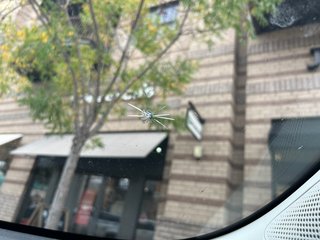
Not every crack demands a replacement. Star breaks and small bulls-eye chips near the center area can often be repaired if handled quickly. Repair quality depends on resin injection, cure, and weather. It won’t be invisible, but it should stop cracks from spreading and restore much of the strength. If the damage sits in the camera’s field of view or along the edge where stress concentrates, shops may recommend replacement anyway.
When you search auto glass near me for chip repair, the same review reading applies. Look for comments about cracks not spreading months later and techs who manage expectations about appearance.
The five-minute verification routine before you book
Use this quick pass to separate the pros from the pretenders.
- Locate the shop on the AGSC website and confirm AGRSS registration or check for tech certifications. If not listed, ask for their safety standard and adhesive data sheet. Ask how they will handle ADAS calibration for your specific make and model, and whether you’ll receive a calibration report and post-scan. Request the glass brand and whether it matches your original features: acoustic layer, solar coating, HUD compatibility, heated area, rain sensor mount. Confirm the urethane system and safe drive-away time for the weather on your appointment day. Get it in writing or on the work order. Ask what the warranty covers and for how long, including water leaks, wind noise, and ADAS calibration comebacks.
Red flags that should give you pause
Sometimes the warning signs show up early. A shop that refuses to specify the urethane or keeps repeating “We do it fast and cheap” isn’t focused on the right outcomes. If the scheduler says calibration is optional, move on. If the estimate leaves out moldings on a vehicle that uses single-use clips, expect rattles.
Another flag: attitude toward your questions. Professionals welcome informed customers. If you feel like you’re bothering them just by asking about adhesives or calibration, trust that feeling. There are plenty of shops that will treat your car and your time with more respect.
What happens after the replacement matters too
Even perfect installs need time to settle. Avoid slamming doors hard on the first day, which can pressurize the cabin and disturb the fresh bead. Follow any tape instructions, keep automated car washes at bay for a couple of days, and watch for dampness after rain. If you see fogging along an edge or hear a new tone at highway speed, call the shop immediately. Good shops prefer to address small issues before they turn into frustration.
For ADAS, pay attention during your first drive. If lane-keeping feels different or the system throws a warning, don’t assume it will fix itself. Return for a re-check. Proper calibration is repeatable when the environment and targets are correct. You should leave with confidence, not doubt.
Pulling it together when you need a quote today
If you’re in a time crunch and need a windshield replacement or auto glass replacement quickly, take ten minutes to gather the VIN, snap photos of the sensor area, and make two calls. During each call, ask the same questions about calibration, glass brand, urethane, and warranty. Jot notes. You’ll likely find one shop that gives crisp, confident answers and another that hedges. Go with the one that treats process as non-negotiable.
Price still matters. Nobody wants to overspend. But the cost of a do-over, the lost time, and the risk of compromised safety systems can dwarf a modest price difference. A fair, transparent quote that includes calibration and the right parts will look higher than a bare-bones number. It’s also the number that aligns with a finished job you don’t have to think about again.
I’ve watched owners who did their homework drive away in quiet cars, rain sensors clicking on when they should, cameras seeing the world correctly. I’ve also stood in waiting rooms where a manager had to explain to a frustrated driver why a second appointment was needed, or why a low quote didn’t include essential steps. The difference isn’t luck. It’s verification.
Once you start reading reviews for substance, checking certifications for real, and asking pointed questions, the search for auto glass near me becomes less about proximity and more about proof. That’s the shift that protects your vehicle, your time, and your peace of mind.