If your chronic window strikes like molasses, groans on the approach up, or drops into the door with a sickening thud, you’re dealing with a regulator or monitor problem. The glass itself is sometimes fine. The situation lives within the door wherein a cramped international of cable drums, plastic sliders, felt channels, and small fasteners cooperate to lift 10 to 15 kilos of glass, 1000s of times a yr. When one side loses alignment or breaks, the whole manner suggests it.
I spent years in a small auto glass store in which such a lot of our daily wasn’t dramatic windshield substitute, it was wrestling with regulators, clips, and tracks on on a daily basis drivers. You be trained which tricks store an hour, which constituents to change as a hard and fast, and while to cease and phone for a brand new regulator assembly. This support walks by means of how window structures fail, find out how to diagnose them devoid of guesswork, what a forged fix looks like, and wherein the road sits among do-it-your self and bringing in a professional.
What truly moves your window
A cutting-edge door glass rides up and down on two issues: a regulator and its handbook tracks. The regulator is the mechanism that converts rotary action from a motor or a crank into vertical trip. Depending on the car, that regulator will likely be a scissor-model arm with a widespread arced song, a cable-and-pulley unit with a drum, or a rack-and-pinion version. The glass mounts to the regulator with bolts or plastic clips. The advisor tracks dwell within the door shell and retain the glass square as it travels. At the right, felt-lined run channels grip the glass and quiet wind noise.
Power home windows use a 12-volt motor on the regulator, customarily with a built-in thermal breaker. Manual windows use a manage and apparatus power. Both rely upon alignment. When the glass leans or binds, the regulator lines. When the regulator slacks or breaks, the glass tilts. Either method, you pay attention it within the motor pitch and consider it inside the velocity.
Here’s the part many leave out: the glass just isn't forgiving. It doesn’t tolerate twist. Even small misalignment in the tracks loads the regulator unevenly and eats bushings. On cable regulators, that shows up as frayed strands and a lurching motion. On scissor regulators, the nylon rollers put on flat spots and rattle. Once put on starts, it speeds up.
Symptoms that point to the culprit
Pattern attractiveness saves time. Before you pry off a door panel, listen and comply with.
- Slow upward push merely when hot, then original after a couple of minutes: motor brushes or thermal breaker getting weak, typically aggravated by way of tight felt channels. Crunching or clicking inside the door with partial motion: cable regulator with a broken pulley or frayed cable bunching up at the drum. Window drops into the door without warning: snapped cable, broken plastic clip at the glass mount, or a failed rivet on a scissor arm. Window actions crooked, ultimate aspect lags in the back of trailing facet: misaligned manual track, worn run channels, unfastened glass bolts within the carrier, or a unethical regulator arm. No action and no sound: chronic problem, blown fuse, failed change, damaged door jamb wiring, or a seized motor drawing enough to shuttle the breaker. Motor hums however glass doesn’t circulation: stripped regulator gear, indifferent glass from the carrier, or significantly frayed cable slipping under load. Window goes up then backs down a few inches: pinch security good judgment detecting binding, sometimes brought on by tight seals or misalignment. On some items, this desires a relearn after restoration.
Manual windows inform their story with the aid of feel. A notchiness round the comparable level in rotation anytime shows a flat on a roller or a dent within the song. A heavy crank at some point of the tour suggests dried channels or bent guides.
A swift word on auto glass repair versus replacement
Most regulator and monitor concerns do not require vehicle window glass substitute. The glass will probably be reused as long because it’s now not chipped at the sides or scratched deeply. The exception comes with tempered door glass that shatters throughout the time of a failure, constantly after a cable jams and the arm slams the glass. In that case, you’re finding at both a regulator and glass replacement, inclusive of a thorough cleanup throughout the door to eradicate beads of glass from the base seam and the speaker cavity.
An automobile glass retailer that handles either car or truck window fix and windshield repair will routinely stock uncomplicated regulator assemblies and clips. If the glass is unbroken, you can still assume comparable-day provider. If you desire vehicle glass alternative, together with windshield replacement or tempered door glass, many retail outlets can set up a cellphone automobile glass carrier if your door is caught closed, although regulator jobs are purifier within the bay wherein they have got elements accessible and higher lights.
The anatomy of a good diagnosis
Take ten minutes to preclude hours of useless paintings. You need a flashlight, a trim device, and a feel of in which to poke.
Start by checking the fuse for the windows. If all windows are out, it’s persistent or the grasp transfer. If handiest one is useless, that circuit’s marvelous, and the problem sits in the door.
Run the window and pay attention. If you hear the motor, that narrows it to mechanical disorders. If you pay attention nothing, press the transfer and watch the dome pale. If it dims slightly, the motor is trying and both seized or jammed. If there’s no difference, circulation upstream. Wiggle the harness within the door jamb even as protecting the change. If it springs to life intermittently, you found out a damaged twine inside the rubber boot.
Once you remove the door panel, peel to come back the vapor barrier carefully. That plastic sheet things. It assists in keeping water out of the cabin. If the adhesive is shot, plan on butyl tape to reseal it. With the barrier open, look for shiny aluminum shavings, plastic crumbs, or coiled cable loose at the ground. Those telltales assist you to order portions earlier you even unbolt anything else.
If the glass is stuck up, make stronger it with painter’s tape across the pinnacle frame to the roof. I use 3 strips in keeping with side on heavier glass. With persistent home windows, you'll vigor the motor temporarily to transport the provider to an get admission to hollow so you can reach the bolts keeping the glass. If the motor is lifeless and the glass is jammed, loosen the publications first to loose it.
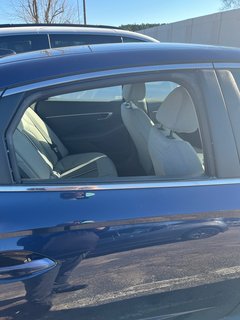
Check the glass attachment factors. Many makes use a plastic saddle with a rubber insert that cradles the glass. When the rubber dries out, the glass can slip beneath load. You’ll see a glittery witness mark in which it moved. Re-centering the glass and tightening the clamp solves that, however purely if the regulator still runs suitable.
On scissor regulators, check out the nylon roller assistance. If they’re egg-shaped or missing, the arm climbs out of the monitor lower than load. On cable regulators, investigate the white or eco-friendly sliders that journey within the vertical channel. If they’ve cut up, the cable stress can’t hold the glass rectangular.
Last, examine the run channels within the door body. If the felt is raveled or the channel is rusted, the glass binds near the ideal. That triggers pinch preservation on cutting-edge autos. Some makes, especially German sedans, are sensitive to minor increases in friction. Lubrication helps, however if the felt is worn tender, replace the channel.
The restore, step by step, with out drama
Every door is unique, but the rhythm is same. Take your time on trim, help the glass, and reset everything sq. until now you vitality up.
- Protect the finish and internal. Lay a towel over the sill, disconnect the battery once you’ll be unplugging airbags, and avoid observe of screws by way of mapping them to the panel with tape. Remove the door panel through loosening the hidden screws (mainly at the back of the cope with trim and inside the pull pocket), then pop the rush clips around the perimeter. Lift up to clean the window channel. Peel the vapor barrier carefully. Use a plastic scraper to split butyl without tearing the sheet. If it’s already torn, plan on sealing with fresh butyl tape in the time of reassembly. Support or dispose of the glass. Tape it up securely or, if the carrier bolts are accessible, loosen them, raise the glass with the aid of hand, and pull it up and out by way of the right if the design lets in. Set it on a smooth towel to ward off scratches. Remove the regulator and motor assembly. Most are held via a handful of bolts or rivets. If riveted, use a 1/four inch bit to drill the heads, then punch the shanks simply by. Unplug the motor. Pay consideration to cable routing and instruction positions for reinstallation.
That’s the primary checklist. The leisure is element. If you’re changing the regulator, movement the motor if it’s separate. Clean the tracks. Degrease ancient hardened grease and lay a skinny movie of silicone-dependable grease on metallic tracks and a dry silicone spray in felt run channels. Avoid petroleum on felt; it swells and collects grit.
Install the brand new regulator loosely. Do no longer tighten bolts unless the glass is in and seated. If you eliminated the glass, drop it returned in sparsely, nostril first, then booklet the trailing edge into its run channel. Lower it into the provider so the bolts or clips line up. Tighten the glass fasteners comfortable, no longer gorilla-tight. Laminated front door glass can crack from aspect loads; tempered glass demands even stress throughout the clamp.
Reconnect the motor and pressure the process to cycle the window by way of its trip at the same time looking at the tracks. Keep your hands clean. You desire glossy shuttle with even clearance on the the front and rear channels. If the glass leans forward at the good, loosen the front monitor bolts and shim or regulate fairly. Many vehicles have slotted holes for precisely this. Tiny variations produce monstrous alterations at the prime side. I hold a suite of thin plastic shims for this. Metal shims can rattle.
If the window binds close the high and the motor reverses, you may also want to relearn pinch maintenance. Procedures fluctuate. A commonplace approach is to raise the window and dangle the transfer up for five to ten seconds after it totally closes, then decrease it and carry down for 5 to 10 seconds. Repeat as soon as. Some cars require a test instrument if the battery changed into disconnected and the module misplaced its index.
With alignment set, comfy the regulator fasteners to spec. Replace any rivets with relevant measurement rivets or flange bolts and locknuts. Re-seal the vapor barrier. Press the butyl to the door all of the approach around, rather close the harness. Water unearths its way by using any gap, then soaks the carpet. Reinstall the panel, making sure each and every clip and cable is routed effectively.
Repair versus substitute: whilst to name it
If a regulator is a number of years historic and a relevant plastic slider has break up, update the entire assembly. Replacing the one broken clip turns out thriftier except the second fails a month later. In my book, scissor regulators can typically be stored by replacing rollers if the palms are immediately and the apparatus is tight. Cable regulators hardly deserve part-measures. A frayed cable keeps to unravel even whenever you cope with to re-rigidity it, and worn drums chunk new cable.
Motor replacement relies upon on amperage draw and noise. A motor that runs yet draws excessive recent and heats up will soon go back and forth the breaker once again. If you've got a clamp meter, evaluate to a widely used great door. Healthy capability window cars draw more or less three to eight amps shifting freely, up to 15 to twenty at the stall in short at give up of go back and forth. Numbers differ by using motor vehicle and glass weight. If you don’t have a meter, listen. A warbling, low pitch under faded load approach worn-out brushes or dry bushings. Replace it at the same time you’re in there.
On alignment trouble due to bent tracks or a door that took successful, you’ll chase your tail without addressing the architecture. Look for crumpled inner door dermis near the tune mounting points. If a lower or submit stuck the door and the body is tweaked, an vehicle body save, not an car glass restoration tech, desires to tug the door sq..
The portions query: OEM or aftermarket
People ask whether to shop for manufacturing facility regulators or aftermarket. My rule: if a form has a recognised susceptible design that the aftermarket expanded, move aftermarket from a good emblem that carries updated sliders and more advantageous cable sheathing. If the kind is choosy approximately vehicle-up calibration or glass indexing, OEM probably avoids fitment headaches. Price changes is also significant. For commonly used sedans, a quality aftermarket regulator runs 60 to a hundred and twenty cash, OEM 180 to 350. Motors add 50 to 150 depending at the model. Avoid no-title contraptions with thin steel stampings and comfortable hardware. Those flex and rattle.
For run channels and weatherstrips, OEM suits most desirable. Aftermarket felt might be tight, making the motor feel there’s an obstruction. If you have got to use aftermarket, look at various the drag with the glass via hand formerly last up the door. If it takes two fingers to transport the glass smoothly, it’s too tight.
Little ideas that keep squeaks and comebacks
Cleanliness is underrated. Vacuum out damaged glass and metal shavings from the lowest seam of the door. Debris migrates to the drain holes and clogs them. Water accumulates, then you definately get window fogging and musty smells.
Use the right lubricants in the proper puts. Dry silicone in felt channels, a small volume of white lithium on metallic tracks, and a dab of dielectric grease on motor connectors. Never spray silicone at the beltline outer sweep. It draws mud and smears at the glass.
When reassembling the door, lightly tug every electrical connector after clicking it in. A unfastened grasp change connector ruins your day when the panel is already on. Cycle the lock and window switches with the panel off to be certain that the cable to the inside control isn’t kinked.
Mark the common position of adjustable tracks with a paint pen in the past loosening them. If the recent regulator adjustments the geometry a little, the ones marks provide you with a baseline.
If the auto has frameless doors, like many coupes, index is principal. The glass drops a fraction of an inch for those who open the door to clean the weatherstrip, then rises when you shut it. After a battery disconnect or regulator alternative, you basically desire to relearn the decrease positions so the glass doesn’t slam into the roof seal or depart an opening that hisses at the road.
Common pitfalls and ways to prevent them
The most widely wide-spread mistake I see from do-it-yourselfers is letting the glass hold off one side of the provider whilst tightening the clamp. That builds a tilt into the formulation you’ll chase later. Always seat the glass fully into the saddle, either facets, earlier tightening.
Another is ignoring cracked run channels. You can lubricate around it, however the glass will nevertheless clutch and twist. If the felt is torn or the metal backbone is kinked, substitute the channel. For a normal the front door, it takes approximately 15 to 30 minutes once the panel is off.
A 0.33 pitfall is forcing a cable regulator to its cease stops devoid of the glass put in. The cable can jump the drum and kink. If you need to power the regulator for alignment, retain the commute minimum and watch the sliders. Better but, mount the glass first, then circulation it.
Lastly, don’t bypass the vapor barrier. I’ve seen soaked carpets six months after a regulator substitute considering the fact that the tech assumed the door seals stay water out. They don’t. Doors are designed to allow water in along the glass sweep and direction it out the drain holes. The barrier keeps that water from wicking into the inside. Take it significantly.
How lengthy could a repair take and what must always it cost
On a elementary front door with a bolt-in regulator, anticipate 60 to ninety minutes for an experienced tech, longer for a rear door with tight entry or riveted constituents. If rust complicates issues or the glass is stuck down and the door received’t open, add time. For a primary-timer with endurance and the exact instruments, plan on a 0.5 day with breaks.
Costs fluctuate through car or truck and marketplace. For natural fashions:
- Regulator simplest alternative with re-use of the motor: constituents 60 to 120, hard work 120 to 240. Regulator and motor meeting: elements one hundred forty to 300, labor 150 to three hundred. Run channel alternative: constituents 30 to 100, labor 60 to 150. New tempered door glass after a shatter: glass one hundred twenty to 300, labor 150 to 250, plus a regulator if it brought on the failure.
Shops that address equally car or truck window fix and windshield repair would package deal diagnostics, and some offer cellular automobile glass provider. Mobile is substantive for a stuck-down window you desire up until now rain, yet needless to say that mild alignment is more straightforward in a controlled save. If a technician shows bringing the auto in for high-quality adjustment after a telephone restore, that’s not an upsell, it’s good exercise.
A few anecdotes from the bench
A Honda coupe came in with the driver’s glass goose-necked forward at street speeds. The owner had replaced the regulator twice with low cost models. The factual culprit turned into the entrance run channel, bent inward close the mirror from a beyond door slam on the seat belt. The glass bit into that pinch level at the way up, then comfy forward at the means down. A new channel and a mild tweak with a plastic wedge solved it. The regulator received a third existence.
On a German sedan with stubborn pinch policy cover, the window could rise, discontinue one inch shy of closed, then backpedal. The regulator and motor have been pleasant. The felt in the correct nook had swelled after individual hosed it with petroleum spray. Replacing the felt and applying a dry silicone restored the proper friction profile. The module relearned on the primary check out.
A pickup motive force suggested intermittent useless window and mirror controls. That seemed like a poor master transfer. In certainty, 3 copper strands remained inside the power feed within the door jamb boot; the twine broke each time the door opened extensive. Solder, warm scale down, and a small phase of recent cord mounted the lot. Much inexpensive than a regulator and suitably speedier than guessing.
Preventive take care of something you never consider about
Windows don’t demand a lot, yet a small bit of maintenance keeps regulators alive. Clean the felt channels with a mushy brush in case you wash the car. A very light dusting of dry silicone down the run channels every one spring helps in dusty or freezing climates. Keep the outer beltline sweep clear so grit doesn’t grind the glass and cargo the approach. If you pay attention a amendment in motor pitch or see the window hesitate, don’t grasp the swap and Lexington mobile auto glass service could it closed. That’s how cars overheat and cables snap. Find the drag element and cope with it.
If you stay the place winters chunk, ward off jogging frozen windows. Free the glass from the seal with a plastic scraper and warm the cabin a bit of prior to forcing the switch. Frozen seals create the variety of binding that trips anti-pinch and stresses cables. I’ve replaced greater regulators in February as a result than any other month.
When to contain a pro
If your door hides airbags or the panel feels welded on through hidden screws, a seasoned technician can save you broken clips and a Saturday. If you pay attention a motor however the glass is wedged half of open, you’re one slip clear of a shattered pane and a bigger invoice. An car glass store can stabilize the glass, resource the properly regulator the identical day, and care for the high-quality alignment that helps to keep wind noise down. Shops that still do windshield alternative typically inventory adhesives, fasteners, and weatherstrips you possibly can’t in finding at a components store. If mobility is an hindrance, a cellular vehicle glass service can come to you for a lot of auto window fix jobs, nonetheless heavy differences are prime on a bench.
If you’re swapping glass in place of just a regulator, resembling after a wreck-in, execs convey the resources to hoover out glass from inside the door cavities and seats. Those beads reveal up months later in the event you pass over them.
Final exams that make the difference
Before you placed your toolbox away, run because of a quick list. Cycle the window from complete all the way down to full up 5 times. Listen for rubbing, clicking, or pitch modifications on the comparable issues. Check for equal gaps at the leading edge, and verify the glass tucks lower than the weatherstrip lightly. Run the automobile-up perform and confirm pinch safe practices through calmly tapping a rolled towel at the height; the glass may want to cease and opposite a couple inches. Test door locks, replicate switches, and the speaker, due to the fact that the whole lot shared that harness you unplugged. Finally, spray a tender circulation of water at the outer beltline and the reflect sail to affirm there’s no leak. If the carpet remains dry for five mins, your vapor barrier seal did its activity.
Window regulators and tracks aren’t glamorous, however they’re the type of quiet equipment that makes a vehicle feel sturdy or shabby. With a chunk of analysis, instantly materials, and sufferer alignment, one could restore that one-touch silence we take for granted. And while the job demands specialized elements or a constant hand, searching a shop that lives with this work everyday will save you time and a headache. Whether you’re scheduling a immediate motor vehicle window fix or checking out a more frustrating vehicle glass substitute, the right manner is the same: recognise the mechanism, admire alignment, and conclude with the small print that keep water and noise out.